At a Glance
- Postpartum care innovation is expanding how families can access physical recovery, mental-health, and care-navigation support.
- Telehealth can make some services easier to reach when distance, transportation, childcare, or scheduling create barriers.
- Employer benefits and clearer insurance navigation can help families identify support that may already be available.
- Reimbursement, research, and policy still shape which services can grow and who can access them.
- Families can help improve care by asking questions, sharing their experiences, and advocating together.
A More Connected Future for Postpartum Care
Pregnancy, birth, and postpartum recovery are connected experiences. The care surrounding them should feel connected too.
For many families, however, the weeks after birth still involve a patchwork of appointments, providers, benefits, and policies. Physical recovery, feeding, mental health, newborn care, sleep, work, and family adjustment happen at the same time, even when the systems supporting them operate separately.
Postpartum care innovation is helping to build a more coordinated future. New care models, virtual services, benefit-navigation tools, and specialized providers are making it possible to support families in more ways and in more places.
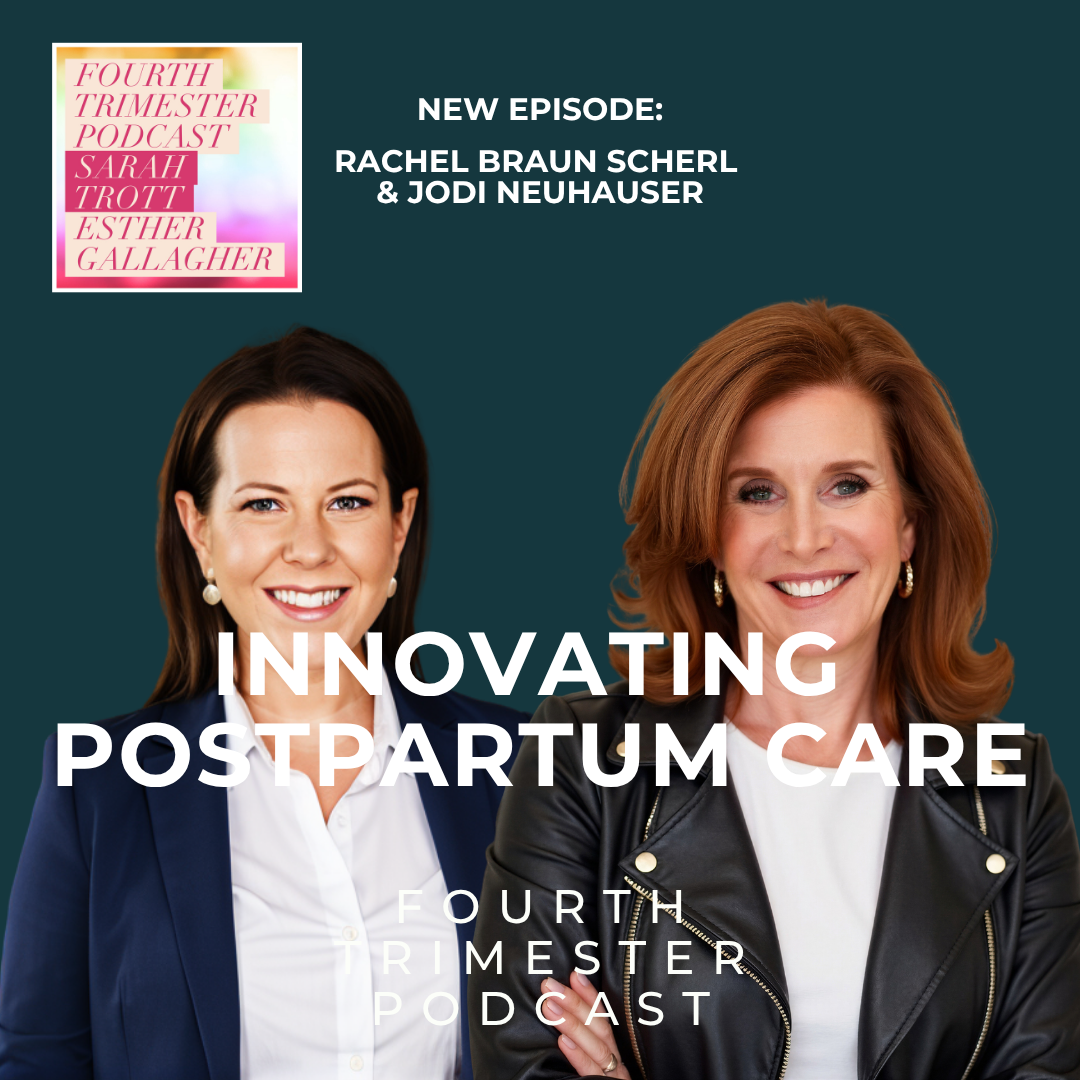
In Fourth Trimester Podcast Episode 174, women’s health leaders Rachel Braun Scherl and Jodi Neuhauser of 51& join Sarah Trott to explore the resources families can access now and the wider changes that could make better support easier to find.
Innovation Can Connect More Parts of Recovery
Postpartum recovery is multidimensional. A family may need clinical follow-up, mental-health support, pelvic-floor care, feeding help, practical assistance, or guidance about insurance and leave.
One promising direction in postpartum care innovation is bringing more of those needs into view. Specialized services and care-navigation platforms can help families understand their options and identify the right next question to ask.
Innovation does not replace trusted medical care. At its best, it can make useful support more visible, coordinated, and easier to reach.
Telehealth Can Extend the Reach of Support
Distance, transportation, childcare, and scheduling can make postpartum appointments difficult. Those barriers can be especially significant for families living in areas with limited maternity services.
Telehealth cannot replace every kind of in-person care, but it can extend access to certain forms of mental-health support, education, care navigation, and follow-up. It can also give families more flexibility during a period when leaving home may require considerable planning.
The goal is not to choose between virtual and in-person care. It is to build a wider range of appropriate options so families can receive support in ways that fit their circumstances.
Listen to the full conversation: Women’s Health Innovation: The Future of Pregnancy and Postpartum Care.
Benefits Innovation Can Help Families Use Available Care
Support only helps when families can find, understand, and use it. Insurance documents, employer-benefit portals, leave policies, and provider networks can be difficult to navigate at any time—especially while recovering from birth and caring for a newborn. A clear maternity leave benefits guide can make it easier to compare leave, pay, eligibility, and return-to-work support.
Clearer benefit design and navigation can help parents learn what may be covered, where to start, and which questions to ask. Employers can also evaluate whether their benefits reflect the real needs of pregnancy, postpartum recovery, and the transition back to work.
Depending on the plan and provider network, useful benefits may include mental-health care, pelvic-floor physical therapy, lactation support, care navigation, and flexible return-to-work resources.
Research and Reimbursement Help Innovation Grow
Good ideas need sustainable systems around them. Understanding fourth trimester economics helps explain why a promising service may still be difficult to find or afford. Research influences what healthcare leaders understand about women’s health, while reimbursement affects whether providers and new care models can continue offering services.
When health needs are understudied or poorly represented in available data, employers, insurers, and policymakers may underestimate their impact. Better research can help make those needs more visible. Thoughtful reimbursement can help promising services reach more families.
Rachel and Jodi’s conversation offers an important reminder: postpartum care innovation is not only about developing new products. It is also about creating the conditions that allow effective support to become accessible and sustainable.
Families Have a Role in Shaping What Comes Next
Families should not have to become experts in healthcare policy to receive good care. Their questions and experiences still matter.
Asking what support is available, sharing feedback with employers and providers, and talking openly about gaps in postpartum care can help make needs visible. Collective economic and civic participation can also influence which problems receive attention and investment.
The future of postpartum care will be shaped by innovators, clinicians, employers, insurers, policymakers, and the families who use these systems. Building better care is shared work—and every informed question can help move it forward.
Frequently Asked Questions
What is postpartum care innovation?
Postpartum care innovation includes new services, technologies, care models, benefits, and policies designed to improve support after birth. Examples can include virtual care, specialized mental-health and pelvic-floor services, care navigation, and more coordinated family benefits.
How can telehealth support postpartum families?
Telehealth can make some forms of mental-health care, education, navigation, and follow-up easier to access. Whether virtual care is appropriate depends on the individual need and provider guidance.
How can employers improve postpartum support?
Employers can review whether their benefits make mental-health, physical-recovery, feeding, leave, and care-navigation resources easy to understand and use. They can also listen to employees about which supports are most valuable.
Why does reimbursement matter for postpartum care?
Reimbursement affects whether providers and organizations can sustainably offer services. When useful postpartum support is not covered or adequately paid for, it can be harder for families to access.
How can families advocate for better postpartum care?
Families can ask providers and insurers about available services, give employers feedback about benefits, share experiences when they feel comfortable, and participate in organizations working to improve women’s health. Planning postpartum support after baby can also make it easier to identify needs and ask about covered services before the early weeks become overwhelming.
Listen to the Full Conversation
Hear Rachel Braun Scherl and Jodi Neuhauser discuss women’s healthwomen’s health innovation postpartum support, benefits, research, reimbursement, and collective action in Fourth Trimester Podcast Episode 174.
The content provided in this article(s) is provided for informational purposes only and does not constitute medical or other professional advice. Neither Sarah Trott nor Fourth Trimester Media Group LLC are liable for claims arising from the use of or reliance on information contained in this article.