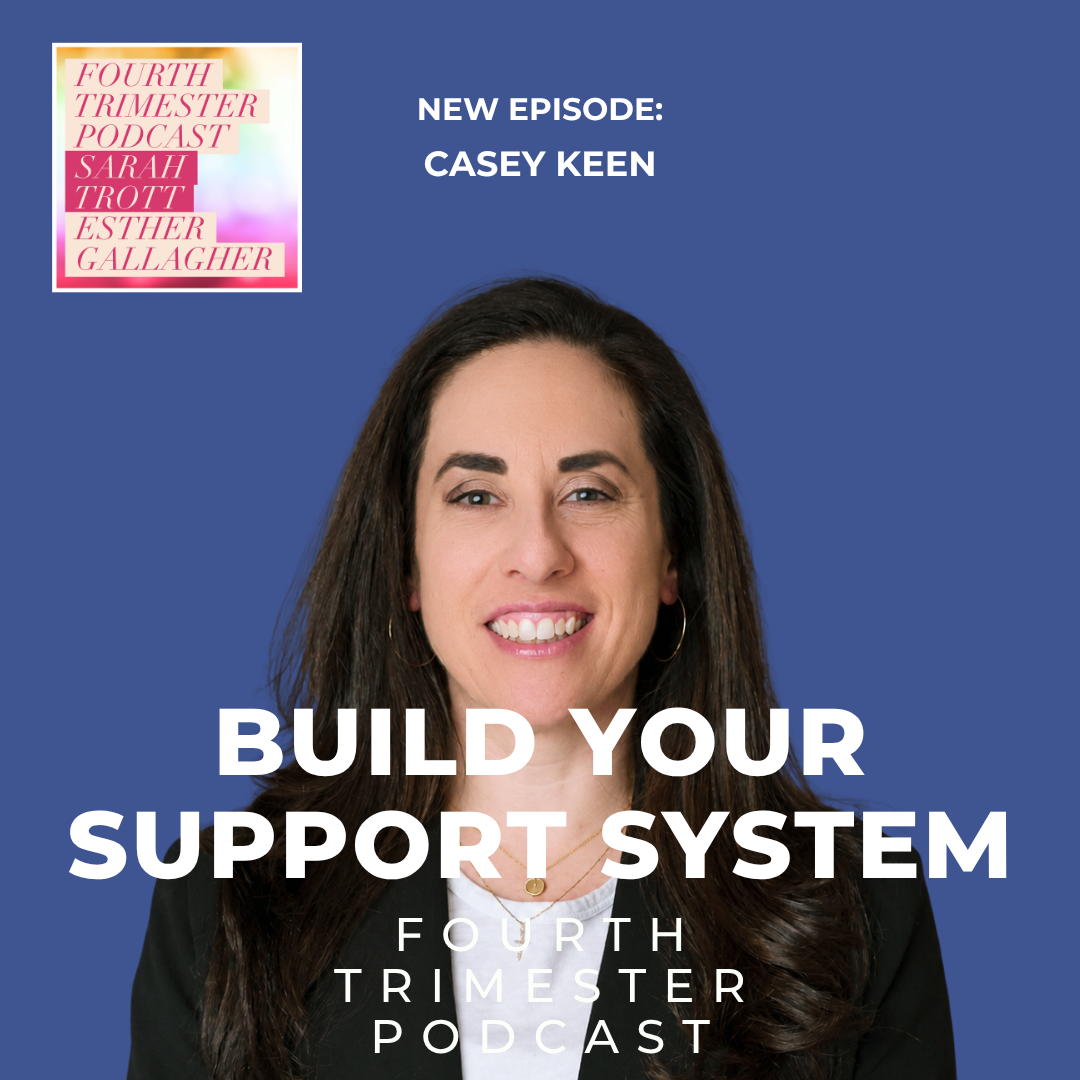






Fourth Trimester Podcast Episode 177: How To Build A Well-Resourced Postpartum Support System
This conversation is about building a well-resourced postpartum support system learn ‘what I wish I knew and what I’d do differently if I could have a do-over’ about birth and the fourth trimester.
Learn who to line up before birth, which questions to ask, and what warning signs your support people should know. Author and advocate Casey Keen, MS, shares the practical support plan she wishes she had, drawing on her lived experience with birth trauma, postpartum preeclampsia, postpartum depression, and postpartum anxiety.
“I would have a postpartum doula. I would definitely line up a therapist for afterward… and I would go to my postpartum checkup with questions.”
Casey Keen
Download the Free Postpartum Support Quick Reference
A printable two-page call sheet created by Fourth Trimester Podcast with Casey Keen, MS. Enter your email below to get the free guide.
By signing up, you’ll receive the guide and Fourth Trimester emails with new episodes and practical postpartum resources. Unsubscribe anytime.
What Is A Postpartum Support System?
A postpartum support system is the network of people, information, care, and practical help available to a family after birth. It can include clinicians, doulas, therapists, lactation professionals, family members, friends, peer groups, and community resources. The strongest plan is specific: who will notice changes, who can help with meals or rest, who will answer medical questions, and who can step in when a parent needs more support?
Casey encourages expecting parents to build this network before birth when possible. That preparation does not guarantee a particular outcome, but it can reduce the burden of searching for help while recovering, caring for a newborn, or navigating a health concern.
Postpartum Preeclampsia And When To Seek Care
Casey shares her personal experience with postpartum preeclampsia and the confusion she felt after leaving the hospital. Her story is a reminder that serious complications can arise after birth, including in people whose blood pressure was normal during pregnancy.
According to the American College of Obstetricians and Gynecologists, a postpartum blood pressure reading with a top number of 140 or higher or a bottom number of 90 or higher warrants an immediate call to your obstetric care provider. The CDC’s urgent maternal warning signs can help families recognize symptoms that need prompt attention. If you are concerned about a symptom or feel that something is not right, seek medical care.
For more on this topic, listen to our episode on preeclampsia prevention and postpartum risk.
Practical Ways To Build Your Support System
- Choose your people. Identify who can provide emotional support, practical help, and backup care.
- Build your professional team. Save contact information for your medical provider, pediatrician, mental health support, doula, and other relevant specialists.
- Discuss warning signs. Make sure the people around you know when and how to get help.
- Plan for daily needs. Decide who can help with meals, sleep, transportation, household tasks, and older children.
- Ask questions early. Learn what postpartum follow-up is available and what to do between scheduled visits.
- Trust your observations. If something feels wrong, contact a qualified provider or seek urgent care.
Postpartum care should be an ongoing process rather than a single appointment. ACOG recommends contact with a maternal care provider within the first three weeks after birth, followed by ongoing care and a comprehensive postpartum visit no later than 12 weeks. Learn more about optimizing postpartum care.
Full Show Notes
- 00:42 Building a Well-Resourced Postpartum Support System
- 02:03 Casey’s Birth and Postpartum Story
- 05:56 Education and Care Gaps After Birth
- 09:37 What Casey Would Do Differently
- 13:58 Recognizing Mental Health Needs
- 15:41 Casey’s Postpartum Preeclampsia Experience
- 19:45 Finding Trusted Practical Resources
- 22:34 Moving From Pamphlets to Pathways
- 23:32 First Steps When You Need Support Now
- 26:13 Self-Advocacy and Closing Reflections
About Casey Keen
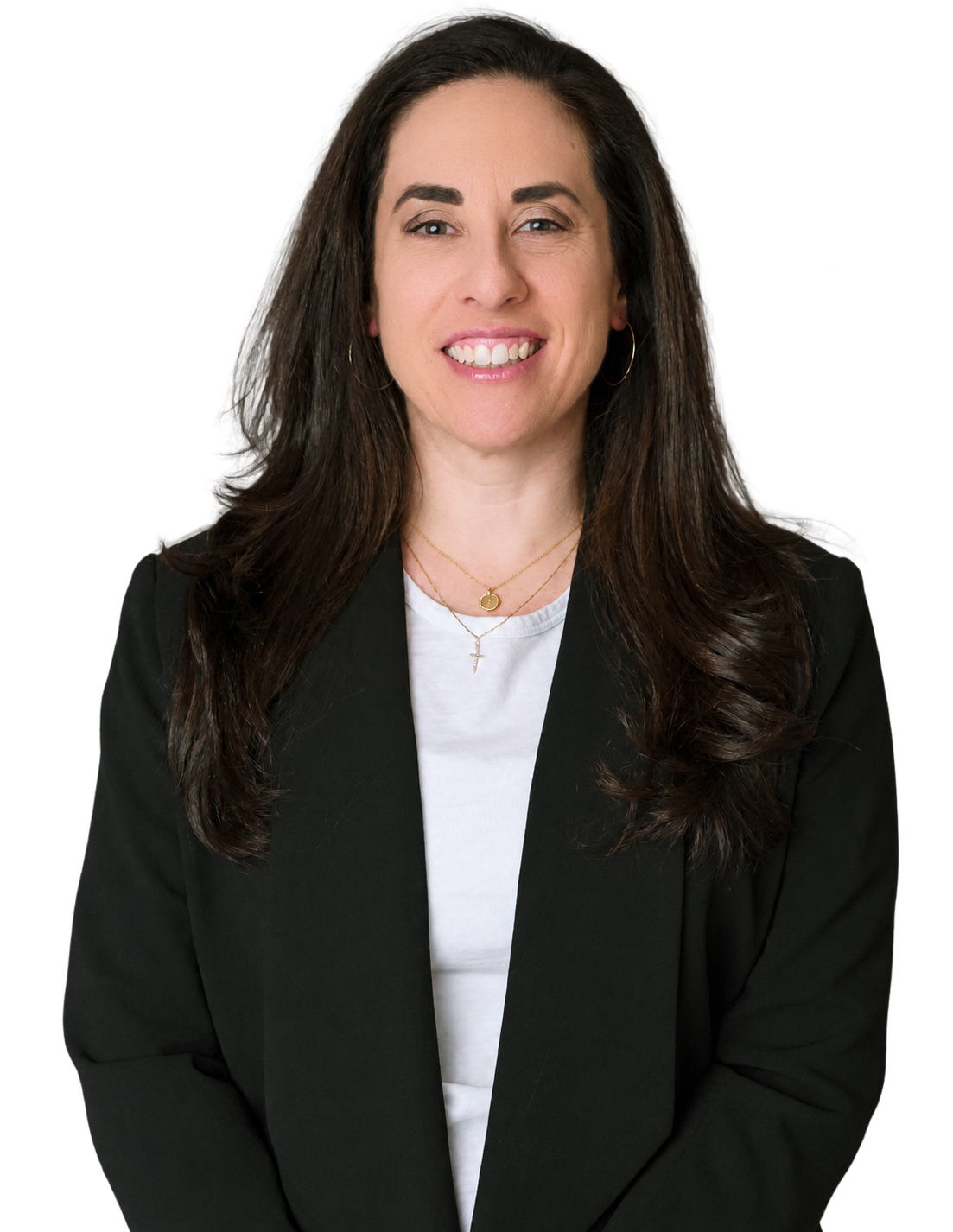
Casey Keen is an author, advocate, and founder whose nonfiction work examines maternal health, postpartum recovery, and gaps in healthcare after birth. Her book, The Alchemy of Motherhood, combines memoir and research about birth trauma, postpartum mental health, and maternity care.
Selected links
Connect with Casey Keen Website | Instagram | Postpartum Alchemy on Substack
Book The Alchemy of Motherhood | Affiliate Disclosures
Resources mentioned ACOG Postpartum Conditions to Watch | CDC Urgent Maternal Warning Signs | Postpartum Support International | Postpartum University | Birth Trauma Association
Learn more Preeclampsia Prevention and Postpartum Risk | Postpartum Care at Home | Resilient Parenting | Micro Destressing for Busy Parents
Resources FREE DOWNLOAD Customizable Birth Plan | FREE DOWNLOAD Customizable Fourth Trimester Plan | Postpartum Soups and Stews Collection
Partners GutPersonal — The Prenatal for Pregnancy & Beyond | Every Mother — Core & Pelvic Floor Programs That Fit Your Life | Le Lolo — Caring for You While You Care for Baby. Our Le Lolo picks include reusable and disposable nursing pads, hydrogel cooling pads, organic nipple balm and postpartum journals.
Connect with Fourth Trimester Facebook | Instagram
This podcast and article are for informational and educational purposes only and are not a substitute for medical or mental health advice, diagnosis, or treatment. Please check with your medical provider or mental health provider about what is best for you and your family. If you believe you are experiencing a medical emergency, call emergency services.