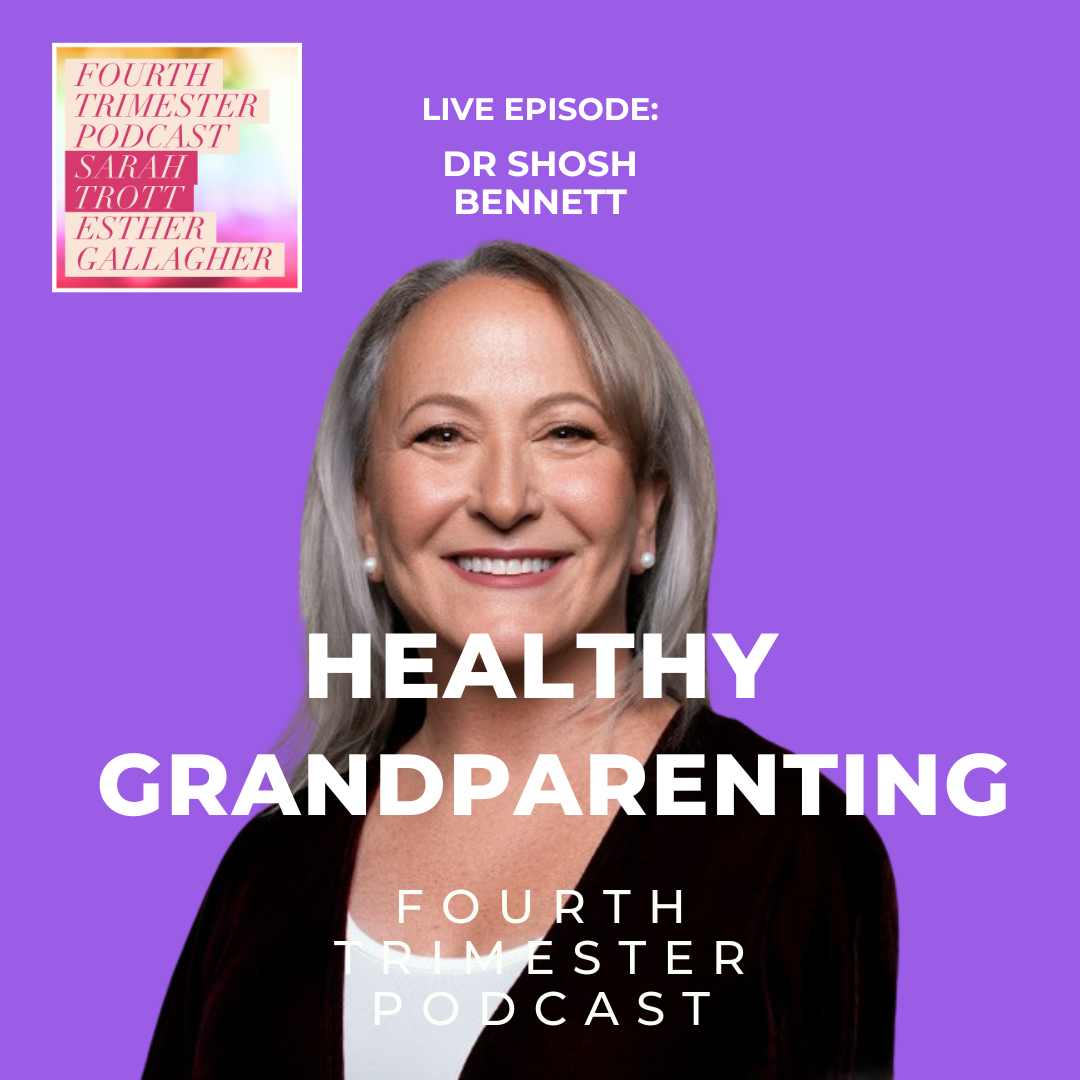
A Guide to Healthy Grandparenting
Becoming a grandparent is often described as one of life’s greatest joys.
And for many families, it truly is.
But the transition to grandparenthood is more than a celebration. It is a psychological shift. A relational shift. Often, it is a deeply personal shift in identity.
Healthy grandparenting begins when we acknowledge that this transition deserves reflection.
When your child becomes a parent, your role changes overnight. You are no longer the primary decision-maker. You are no longer the authority in daily parenting choices. You move from leading to supporting.
For some, this feels natural and welcomed.
For others, it can feel destabilizing or unexpectedly emotional.
Both reactions are normal.
What matters is how we respond.
What Is the Transition to Grandparenthood?
The transition to grandparenthood is the emotional and relational shift that occurs when your child becomes a parent.
It is not just a new title. It is a developmental stage.
You are moving:
-
From primary caregiver to supporting role
-
From authority to advisor
-
From center stage to steady presence
That shift can feel subtle. It can also feel seismic.
Healthy grandparenting starts by recognizing that this transition is real. It is not something to brush off with forced enthusiasm. It deserves attention.
Why the Transition to Grandparenthood Can Feel So Emotional
Many grandparents are surprised by the intensity of their reactions.
You might notice:
-
Heightened worry about the baby
-
Strong urges to give advice
-
Difficulty stepping back
-
Old memories from your own postpartum period resurfacing
For some, unresolved birth experiences or postpartum anxiety from decades ago quietly reappear.
This does not mean you are regressing.
It means the nervous system remembers.
Dr. Shoshana Bennett speaks openly about how becoming a grandparent reactivated anxiety she had experienced during her own postpartum years. Even as a perinatal psychologist, she was surprised by how quickly those emotions returned.
That honesty matters.
Because many grandparents quietly experience similar reactions but do not talk about them.
Healthy grandparenting during the transition to grandparenthood includes tending to your own emotional history so it does not spill into the next generation.
Listen to Dr Shosh’s full story here: Transition to Grandparenthood with Confidence
What Is Healthy Grandparenting?
Healthy grandparenting is the practice of supporting your adult child and grandchild with respect, emotional regulation, and clear boundaries.
It includes:
-
Asking before advising
-
Listening without correcting
-
Respecting parental authority (Note: Do speak up regarding real safety and health issues)
-
Offering help without imposing
-
Managing your own anxiety privately
Healthy grandparenting strengthens family bonds rather than competing with the parent role.
It is not about perfection. It is about maturity.
What Are the Key Principles of Healthy Grandparenting?
Healthy grandparenting is built on five core principles:
-
Self-awareness before advice
-
Clear and respectful communication
-
Boundaries that protect the parent role
-
Emotional steadiness during vulnerable seasons
-
Support that is offered, not imposed
These principles reduce tension and increase trust across generations.
When Helpfulness Is Actually Anxiety
This is where many families get stuck.
Anxiety often sounds like helpfulness.
It can show up as:
-
“Are you sure that’s the right way?”
-
“Back when I had babies, we did it this way.”
-
“You should really…”
The intention may be love. The impact may feel like criticism.
New parents are building confidence in real time. They are learning while exhausted. They are forming their identity.
Healthy grandparenting requires a pause.
Ask yourself:
Am I sharing this for their benefit, or to calm myself?
That single question can prevent months of tension.
The Most Important Question to Ask a New Parent
If you want to practice healthy grandparenting immediately, start here:
“What would be most helpful for you right now?”
Not what helped you.
Not what your friends needed.
Not what tradition dictates.
Ask. Then truly listen.
One new parent may want meals prepared and laundry folded. Another may say, “I waited a long time to be a mom. I want to do those things.”
Healthy grandparenting honors the answer without taking it personally.
Why Boundaries Are a Sign of Strength
Boundaries can feel uncomfortable in families.
But boundaries are not rejection. They are clarity.
When new parents say:
-
“We’re following our pediatrician’s advice.”
-
“We need quiet evenings.”
-
“Please wait until we ask before offering suggestions.”
They are not pushing you away.
They are protecting their confidence.
Healthy grandparenting welcomes boundaries because boundaries build trust.
Much of the strain during the transition to grandparenthood comes not from conflict, but from unspoken assumptions.
Clear communication prevents resentment.
Cultural Expectations and Generational Patterns
In some families, grandparents move in and take over household tasks. In others, independence is emphasized.
Neither model is universally correct.
What matters is alignment.
Healthy grandparenting during the transition to grandparenthood includes conversations about:
-
Level of involvement
-
Frequency of visits
-
Childcare expectations
-
Financial contributions
-
Decision-making authority
Clarity protects relationships. If possible, discuss these topics openly after you have taken time to reflect on what you’d want it to look like. That way, you are coming to the conversation clear on what would feel good to you, and you’ll be better able to discuss if the parents are aligned with your ideal, or if they require something slightly different.
When Grandparents Provide Regular Childcare
Many grandparents provide regular childcare, sometimes daily.
This is generous and often essential.
But it can blur roles.
When you have been responsible for naps, meals, and safety all day, it is natural to stay in “parent mode” when the parents return home.
Healthy grandparenting includes consciously shifting back.
It might sound like:
“You’re home. I’ll step back.”
“How would you like to handle this?”
This protects the parent-child bond and reduces power struggles.
The Quiet Power of Presence
There is something many new parents crave but rarely articulate.
Not advice.
Not solutions.
Not efficiency.
Just presence.
A steady adult in the room.
A calm voice saying, “You’re doing beautifully.”
Someone who can sit without fixing.
Healthy grandparenting is often less about productivity and more about emotional steadiness.
Love does not have to be transactional to be powerful.
When Old Wounds Resurface
If the transition to grandparenthood brings up unexpected fear, sadness, or anxiety, that is not weakness.
It is information.
You may benefit from:
-
Individual therapy
-
EMDR for unresolved birth or postpartum experiences
-
Mindfulness-based stress reduction
-
Peer support
Addressing your own emotional health is one of the most generous things you can do for your family.
Please check with your medical provider on what is best for you and your family.
Healthy grandparenting begins with taking care of yourself.
Reflection Questions for Healthy Grandparenting
If you are entering this stage, consider sitting quietly with these:
-
What kind of grandparent do I want to be?
-
What emotions are surfacing for me?
-
What experiences from my own early parenting years are being activated?
-
How can I ask for clarity instead of assuming?
-
Where might I need additional support?
You do not have to have perfect answers.
You just need willingness.
Final Thoughts
The transition to grandparenthood is not just about welcoming a baby.
It is about redefining your role inside a growing family system.
Healthy grandparenting is intentional. It requires emotional regulation, humility, and clear communication. It asks you to offer wisdom without imposing it and to support without controlling.
When approached with confidence, clarity, and care, this stage becomes an opportunity for growth across generations.
And that may be the greatest gift of all.
Selected Links
Learn more Transition to Grandparenthood with Confidence | Generational Parenting, featuring PSI Founder Jane Honikman | The Recipe for Being a Cool Grandpa with Greg Payne | When Perimenopause And Postpartum Overlap with Dr. Shosh Bennett | Intimacy After Baby in a Way That Feels Right for You with Dr Shosh | The Myths Of Motherhood | postpartum.net
Connect with Dr Shoshana Bennett drshosh.com | Dr Shosh Radio Show | Dark Side Of The Full Moon
Dr Shoshana’s books Children of the Depressed: Healing the Childhood Wounds That Come from Growing Up with a Depressed Parent | Postpartum Depression For Dummies | Pregnant on Prozac: The Essential Guide To Making The Best Decision For You And Your Baby | Beyond the Blues: Understanding and Treating Prenatal and Postpartum Depression & Anxiety
Resources FREE DOWNLOAD Customizable Birth Plan | FREE DOWNLOAD Customizable Fourth Trimester Plan | Postpartum Soups and Stews Collection | Radiolab The Menopause Mystery