





Fourth Trimester Podcast Episode 172 – Your Baby’s Brain Works Differently Than Yours – How Early Communication Supports Future Success
In this episode, I’m joined by Dinalynn Rosenbush, a speech-language pathologist, parenting coach, speaker, author, and host of The Language of Play, for a conversation about the baby brain and early family communication. We talk about why babies and young children do not process the world the way adults do, and how understanding that difference can help parents adjust their expectations, tone, routines, and communication from the very beginning so they can do what they can to support optimal future success.
Dinalynn shares practical ways to support communication before a baby can talk, including repeated words, predictable routines, eye contact, diaper-change conversations, simple signs, and play. We also talk about behavior as communication, why children may not be ignoring you when they miss an instruction, and how entering a child’s world through imagination and connection can help the whole family feel more understood.
Dinalynn brings a speech-language pathologist’s lens to ordinary family moments, from feeding and diaper changes to pretend play and big feelings.
“Behavior is communication. When your children aren’t doing what you expect them to do, you have an opportunity to wonder.”
— Dinalynn Rosenbush
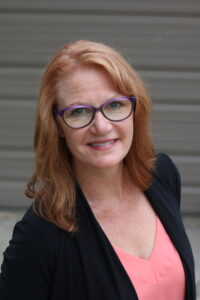 Dinalynn Rosenbush is a speech-language pathologist, parenting coach, speaker, author, and host of The Language of Play.
Full Show Notes
- [00:44] Meet Dinalynn Rosenbush And The Language Of Play
- [03:44] Fourth Trimester Support, Memory, And Postpartum Healing
- [09:45] Why Children Do Not Process Communication Like Adults
- [12:26] Communication Starts Before Words
- [14:36] Routines, Repetition, And Early Baby Communication
- [18:22] Tone, Regulation, And Connection
- [22:32] Why Children May Not Listen
- [29:36] Baby Brain Waves, Development, And Expectations
- [33:08] Play, Imagination, And Cooperation
- [36:57] Behavior As Communication And Dinalynn’s Resources
Selected links
Connect with Dinalynn Rosenbush thelanguageofplay.com | [email protected] | Instagram | LinkedIn | YouTube
The Language of Play podcast Listen to the podcast
Dinalynn’s free resource 5 Ways to Get Kids to Listen Better
Learn more Wire Your Baby for Success Through Optimal Newborn Brain Development | Baby Nervous System Development for Calmer Babies and Better Sleep | Encourage Infant Speech Development, Security & Confidence Through Communication and Play | Why And How To Bond With Your Newborn
Scientific background From Infancy to Childhood: A Comprehensive Review of Event- and Task-Related Brain Oscillations | Development of the EEG from 5 months to 4 years of age | Age-related changes in the EEG in an eyes-open condition: Normal development
Resources FREE DOWNLOAD Customizable Birth Plan | FREE DOWNLOAD Customizable Fourth Trimester Plan | Panjiri Recipe Dinalynn Mentions | Sacred Postpartum Traditions | Postpartum Soups and Stews Collection
Connect with Fourth Trimester Facebook | Instagram
Recommended Fourth Trimester Books
Explore these trusted books related to this episode:
The content provided in this article(s) is provided for informational purposes only and does not constitute medical or other professional advice. Neither Sarah Trott nor Fourth Trimester Media Group LLC are liable for claims arising from the use of or reliance on information contained in this article.