Feeling like a different person after having a baby can be a real response to a major life transition. Your body, responsibilities, relationships, priorities, and need for support may all change at once. The problem is not necessarily that you have changed. It may be the expectation that you should return to exactly who you were before.
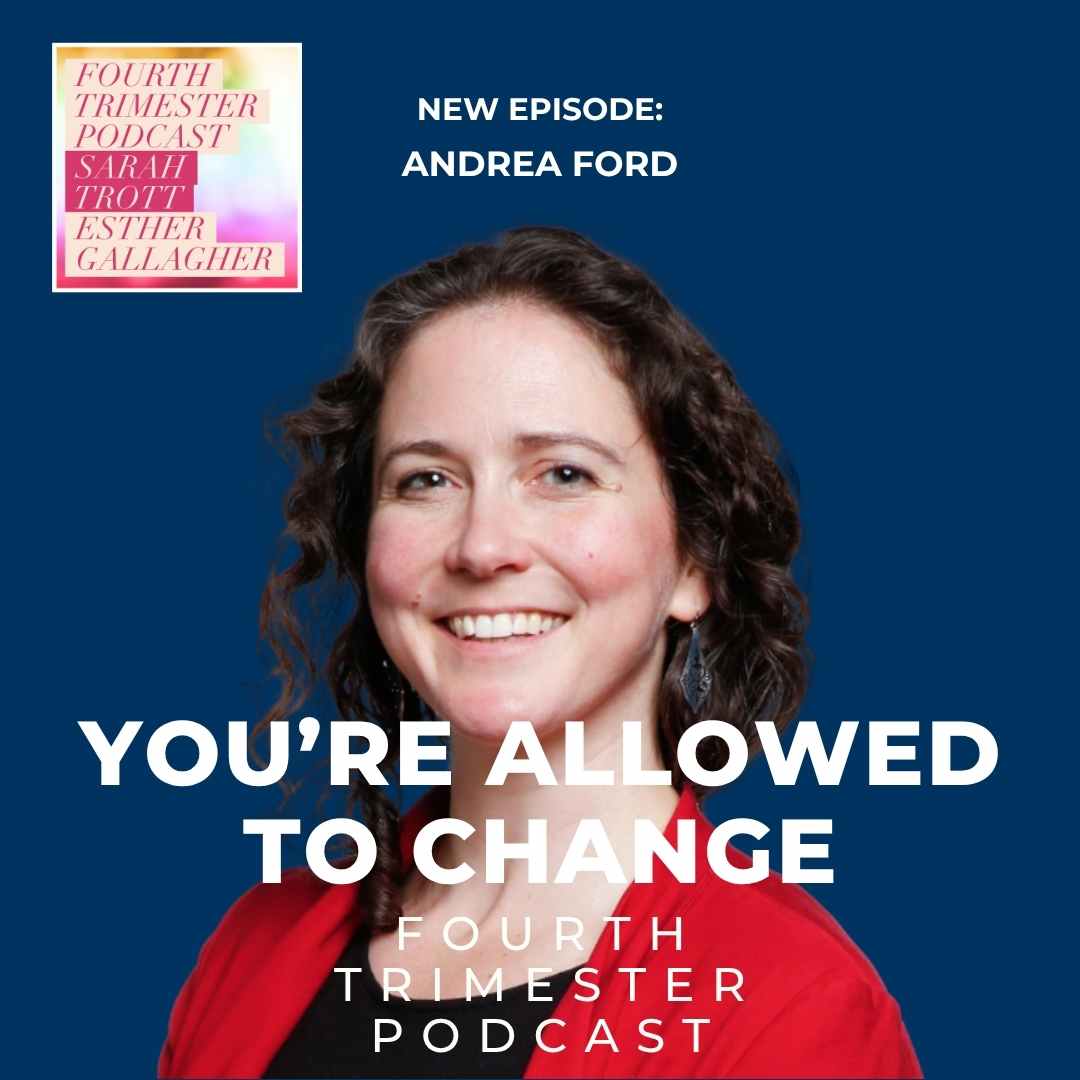
Anthropologist Andrea Ford, PhD, studies the values and cultural expectations that shape pregnancy, birth, and postpartum life. Her perspective offers a gentler way to understand postpartum identity: becoming a parent does not have to be a detour from your “real” self. It can be a meaningful transformation.
Feeling Like a Different Person After Having a Baby: The Short Answer
Having a baby can reorganize daily life and your sense of self. You may feel unfamiliar to yourself because you are learning new roles, depending on other people in new ways, and making decisions under physical and emotional strain. At the same time, messages about “bouncing back” can suggest that success means becoming your old self as quickly as possible.
Andrea offers another possibility: what if the goal is not to erase the change, but to make room for it?
At a Glance
- Identity changes after birth do not automatically mean something has gone wrong.
- The pressure to “bounce back” can make a major transition feel like a personal failure.
- Parenthood often reveals how deeply human beings depend on one another.
- Asking for help can be a form of strength, not evidence that you are falling short.
- Reflecting on the birth experience can help some parents understand what they are carrying forward.
Why the Pressure to “Bounce Back” Can Make Identity Changes Harder
The phrase “bounce back” sounds encouraging, but it carries an assumption: the person you were before pregnancy is the person you should become again.
That expectation can show up in conversations about bodies, work, relationships, routines, confidence, and independence. It can turn recovery into a race toward a previous version of your life, even when your actual experience is asking you to slow down and adapt.
Andrea describes childbirth and early parenthood as physical, emotional, and sometimes spiritual transitions. From that perspective, feeling changed is not surprising. The more useful question may be: What has changed, and what support would help me meet this version of my life?
“Recognizing that the expectation that you’ll be the same after as you were before may be false is a first step toward accepting that becoming a parent can change you, and allowing that change to have value.”
Hear the full conversation: In Postpartum Identity: Why You’re Not Supposed to Bounce Back, Andrea Ford, PhD, joins Fourth Trimester Podcast to explore identity, intuition, support, and the values that shape birth and postpartum life.
What Changes When Independence Becomes Interdependence
Many people enter parenthood with a strong belief in independence. Being capable may mean managing your own needs, making your own decisions, and avoiding becoming a burden to anyone else.
A new baby can disrupt that ideal quickly. Feeding, sleep, recovery, household work, paid work, medical care, and emotional support all reveal how much care depends on other people. Partners, relatives, friends, doulas, clinicians, and community resources may become part of daily survival.
Andrea’s anthropological lens helps name this not as a failure of autonomy, but as interdependence. We can still value self-trust and personal agency while acknowledging that no one is meant to do postpartum life entirely alone.
Your Relationships May Need New Agreements
Support is not only about whether help exists. It is also about who provides it, what kind of help feels useful, and whether the parent receiving care still feels heard.
That can require new conversations about boundaries, expectations, household labor, visitors, feeding, rest, and decision-making. The goal is not perfect harmony. It is a support system in which the birthing parent’s needs and voice remain visible.
Your Priorities May No Longer Fit the Old Script
What mattered before birth may still matter, but its place in your life can shift. Work, friendships, privacy, time, ambition, partnership, and personal freedom may all feel different.
That does not mean the old you has disappeared. It may mean your identity is becoming more complex. Some parts of you may return with time. Some may change shape. New parts may emerge that you could not have known in advance.
Why Asking for Help Can Feel So Uncomfortable
Knowing that support is important does not make it easy to ask for. If independence has always been tied to competence, needing help can feel like evidence that you are not coping well enough.
But asking for help is a skill. It may involve noticing what you need, putting it into words, tolerating vulnerability, and allowing another person to contribute. Those are acts of awareness and communication.
Try making the request concrete. Instead of “I need more help,” you might ask someone to:
- bring a meal at a specific time;
- hold the baby while you shower or rest;
- take responsibility for one recurring household task;
- listen without trying to fix the experience;
- help you find professional postpartum support.
A precise request gives another person a clear way to show up. It can also help you distinguish between the support people want to offer and the support you actually need.
Birth Debriefing Can Make Room for the Next Chapter
The birth itself can remain present long after the practical details are over. Parents may replay what happened, wonder why certain decisions were made, or struggle to reconcile the birth they expected with the one they experienced.
A birth debrief can offer space to tell the story, ask questions, and name what felt respectful, frightening, empowering, confusing, or unresolved. It does not require deciding that the birth was wholly positive or wholly negative. The goal is to understand your experience in your own words.
Andrea emphasizes that feeling respected, cared for, and able to have a voice can matter deeply. If the birth experience feels like an unspoken presence in the room, a thoughtful conversation with a trusted support person or qualified professional may help you begin to integrate it.
What If Intuition Is Learned, Not Automatic?
New parents are often told to “trust your intuition.” That advice can be reassuring, but it can also create pressure. What if you do not immediately know what your baby needs? What if your instincts feel quiet, contradictory, or overwhelmed?
Andrea offers a practical way to think about intuition: it can be a form of knowledge built through experience. You notice patterns, learn your baby’s cues, understand your own responses, and gradually develop confidence.
You do not have to possess perfect parental instincts from day one. Knowledge can grow through attention, practice, support, and time.
How to Make Space for the Person You Are Becoming
You do not need to force a grand conclusion about your identity. Start with curiosity and gentleness:
- Name the change. What feels unfamiliar right now?
- Separate change from failure. Is the discomfort coming from the transition itself, or from the belief that you should already be “back to normal”?
- Notice what you need. Do you need rest, practical help, reassurance, information, companionship, or a chance to process the birth?
- Choose one honest conversation. Tell a trusted person what has changed and what would feel supportive.
- Allow the answer to evolve. Identity after birth does not need to settle on a deadline.
Frequently Asked Questions
Is It Normal to Feel Like a Different Person After Having a Baby?
Feeling different can make sense in the context of major physical, relational, and practical change. It does not automatically mean you are doing parenthood incorrectly. If the feeling is frightening, persistent, or interfering with daily life, reach out to a qualified healthcare professional for individualized support.
Will I Ever Feel Like Myself Again?
You may reconnect with familiar parts of yourself while also developing new priorities, capacities, and needs. The goal does not have to be an exact return to the person you were before. It can be learning to recognize yourself within a life that has changed.
What Can Help With Postpartum Identity Changes?
Practical support, honest conversations, rest, reflection, birth debriefing, and professional care can all be useful, depending on your experience. Begin with one specific need and one person or resource that may be able to meet it.
You’re Allowed to Change
There is no prize for pretending that birth and parenthood left you untouched. Change can include grief, growth, uncertainty, strength, dependence, and discovery, sometimes all at once.
If you feel like a different person after having a baby, you may not need to rush back. You may need support, language, and time to meet the person you are becoming.
Listen to the complete episode: Postpartum Identity: Why You’re Not Supposed to Bounce Back | Andrea Ford, PhD.
This article is for informational and educational purposes only and is not a substitute for medical, mental health, or other professional advice. If you are concerned about your well-being, contact a qualified healthcare professional.
The content provided in this article(s) is provided for informational purposes only and does not constitute medical or other professional advice. Neither Sarah Trott nor Fourth Trimester Media Group LLC are liable for claims arising from the use of or reliance on information contained in this article.