It’s time to shine some light on Community Doula Support.
Most parents spend time preparing for birth.
Fewer think about what kind of support will actually shape their experience during pregnancy, birth, and the weeks that follow.
And that gap matters more than most people realize.
Because support is not just something that can improve how the experience feels.
It may shape how you navigate decisions, how you recover, and how your family adjusts in the fourth trimester.
What Is Community-Based Birth Support
Community-based birth support is a model of care that centers relationships, continuity, and real-life needs.
It often includes doulas who:
- provide non-medical support during pregnancy, birth, and postpartum
- help families understand their options
- offer emotional and practical guidance
- connect families to resources in their community
But what makes this model different is not just what doulas do.
It is how they do it.
Support is shaped around your lived experience, your environment, and the systems you are navigating.
Not just a checklist or a plan created before labor begins.
Why Support Often Falls Short
Many families enter pregnancy with access to information.
They read books.
They take classes.
They create a birth plan.
But when the moment comes, what they often need is not more information.
They need:
- someone who understands the system
- someone who can help them process decisions in real time
- someone who can stay present through uncertainty
Without that, even well-prepared parents can feel overwhelmed or alone.
This is one of the most overlooked gaps in perinatal care.
The Role of Continuous Support
Research has shown that continuous support during labor is associated with improved outcomes, including lower rates of certain interventions and higher satisfaction with the birth experience.
But beyond measurable outcomes, there is something equally important:
How a person feels during one of the most significant transitions of their life.
Feeling supported may influence:
- confidence in decision-making
- communication with providers
- emotional wellbeing during and after birth
This is where community-based doulas play a meaningful role.
Support That Extends Beyond Birth
One of the biggest misconceptions about birth support is that it ends when the baby arrives.
In reality, that is often when support becomes even more important.
The fourth trimester brings:
- physical recovery
- emotional shifts
- changes in identity
- new responsibilities and routines
And many families move through this period with limited structured support.
Community-based models are designed to bridge that gap.
They offer continuity and connection at a time when many parents are navigating unfamiliar challenges.
If you are thinking about how to build a stronger foundation for this phase, you may also find this set of podcast episodes and articles helpful:
https://fourthtrimesterpodcast.com/postpartum-support/
A Different Approach to Care
Community-based doulas often work within systems that prioritize:
- relationship-based care
- cultural awareness and alignment
- accessibility for families who might not otherwise have support
- long-term connection, not just a single event
This approach recognizes that birth does not happen in isolation.
It is connected to everything around it:
- your environment
- your resources
- your support system
- your mental and emotional health
What This Can Mean for Families
When support reflects real life, not just a plan, it can shape how families experience this transition.
Parents may feel:
- more prepared for the unexpected
- more confident asking questions
- more supported during recovery
- less alone in the process
These are not guaranteed outcomes.
But they are meaningful shifts that can influence both short-term experiences and long-term wellbeing.
What Most People Don’t Realize
There are aspects of community doula support that are rarely discussed in detail.
How support shows up in high-pressure moments.
What advocacy actually looks like in real time.
How relationships with doulas evolve across pregnancy and postpartum.
These are the kinds of insights that are difficult to fully capture in writing.
Listen to the Full Conversation
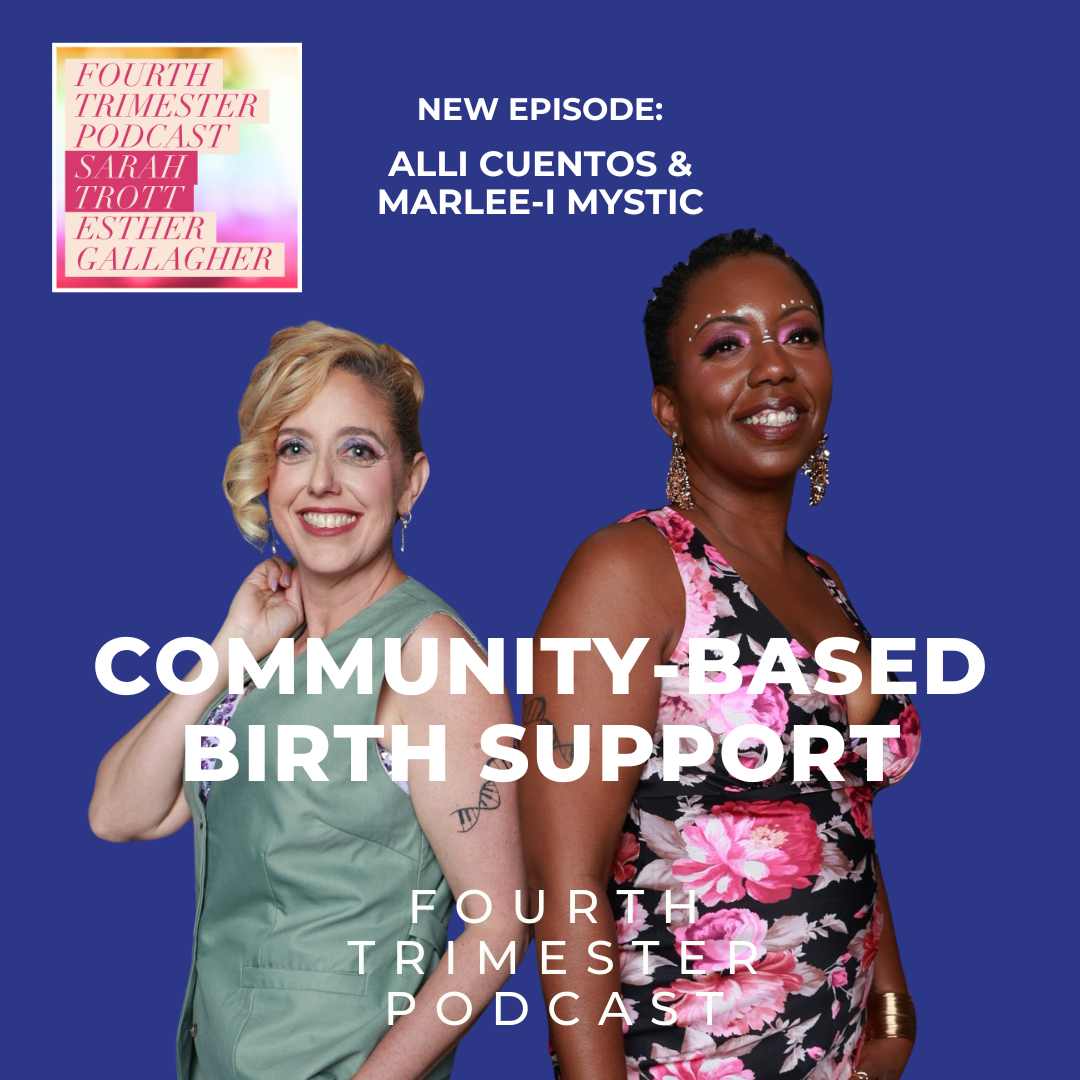
In this episode, Marlee-I Mystic and Alli Cuentos of SisterWeb share what community doula support looks like in practice and how it is expanding access to meaningful care.
You will hear:
- what doulas actually do in real situations
- how support may shape decision-making
- why this model is gaining attention in maternal health
🎧 Listen to the full episode here: Community Doula Support Provides Families With Education, Empowerment, and Love with SisterWeb
A Final Thought
Support is often treated as a luxury.
In reality, it can be a meaningful foundation for how families experience pregnancy, birth, and the fourth trimester.
And when that support reflects your real life, it may shape more than just the moment.
It can influence how you begin as a parent.
🎧 Ready to go deeper?
Listen to the full episode and explore how community-based birth support is being reimagined in real-world settings: Community Doula Support Provides Families With Education, Empowerment, and Love with SisterWeb
Selected links
Connect with SisterWeb sisterweb.org | Instagram | Facebook | YouTube
Learn more How to Prepare for Postpartum Support So You Feel Less Alone After Baby | How Nethal Abdul-Mumin Is Helping Muslim Families Find Their Reflection In The Parenting Community | Get A Healthy Start – Nutrition, Breastfeeding & Building Your Community with WIC’s Kiran Saluja
Resources FREE DOWNLOAD Customizable Birth Plan | FREE DOWNLOAD Customizable Fourth Trimester Plan | Postpartum Soups and Stews Collection | Postpartum Support Collection
Recommended Books The First Forty Days: The Essential Art of Nourishing the New Mother(related podcast episodes featuring the authors of this book are Seven Factors That Influence The First Forty Days and Four Relationship-Saving Questions To Ask Before Baby Arrives) | Becoming the Parent You Want to Be: A Sourcebook of Strategies for the First Five Years
Connect with Fourth Trimester Facebook | Instagram
The content provided in this article(s) is provided for informational purposes only and does not constitute medical or other professional advice. Neither Sarah Trott nor Fourth Trimester Media Group LLC are liable for claims arising from the use of or reliance on information contained in this article.